Episode 4 — The Semantic Model as a Cognitive Layer in Power BI: When Copilot Stops Describing and Starts Reasoning
Copilot doesn’t transform your data. Copilot transforms how your semantic model thinks.
This episode marks a turning point: Power BI is no longer just a visualization tool. It becomes a reasoning system, where the semantic model acts as a cognitive layer capable of interpreting, inferring, and sustaining business logic.
This is not about functional intelligence. This is about structural intelligence.

1. The semantic model is no longer a container — it’s a cognitive system
Business example: A retail chain with 120 stores asks Copilot why “Electronics” sales dropped in Week 32. If the model lacks hierarchies, promotion logic, store granularity, or margin measures, Copilot can only describe.
But if the model encodes business logic, Copilot can reason:
“The decline is driven by inventory shortages across 34 stores and the absence of the active promotion in the northern region.”
Copilot doesn’t invent this. The model does.
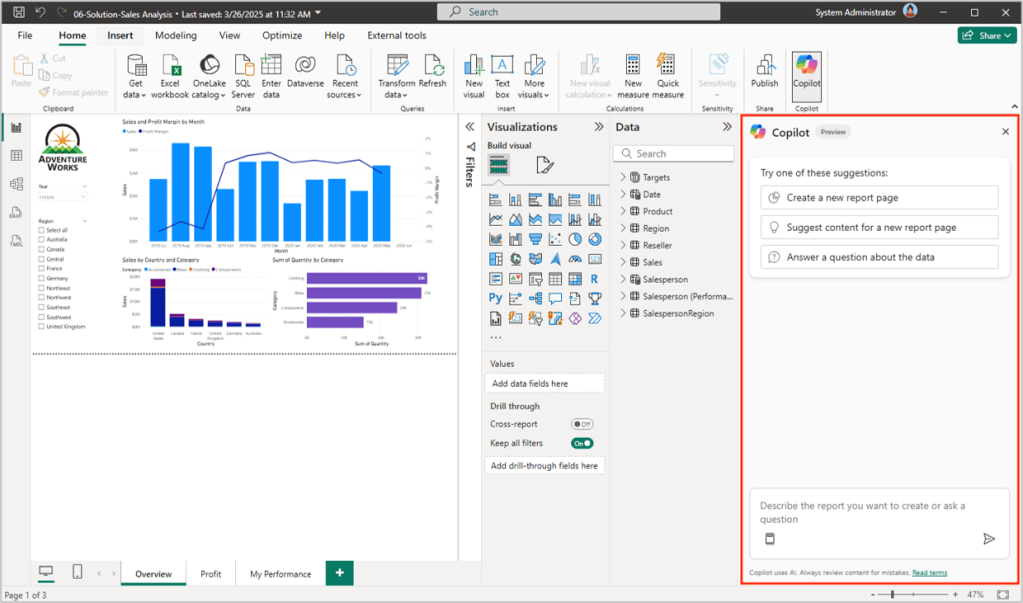
2. Copilot doesn’t work on dashboards — it works on logic
Business example: A logistics company wants Copilot to generate a report on route efficiency. If the model only contains trips, vehicles, and drivers, Copilot can describe.
But if the model includes optimal vs actual distance, loading times, delivery windows, penalties, and cost per kilometer, Copilot can infer:
“Inefficient routes correlate with strict delivery windows and high urban density.”
This is business reasoning, not visualization.
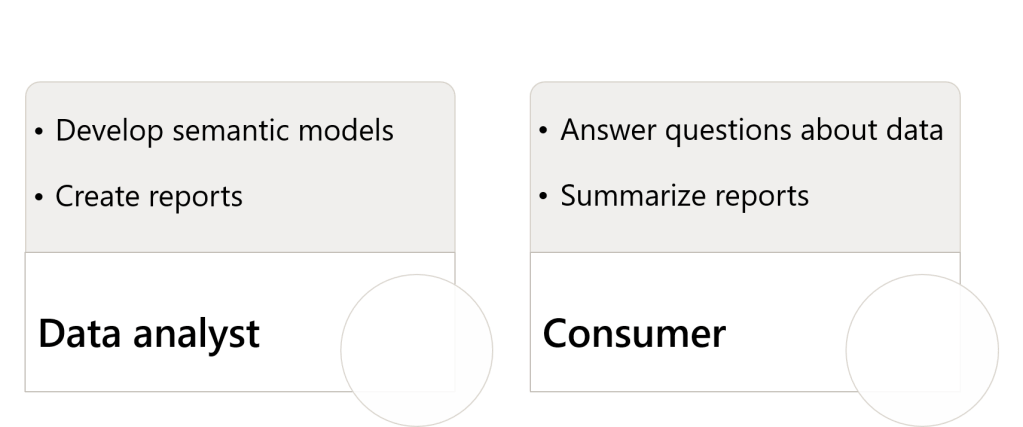
3. The new KPI for BI: Can your model reason?
Business example: A bank asks Copilot to explain changes in SME credit risk.
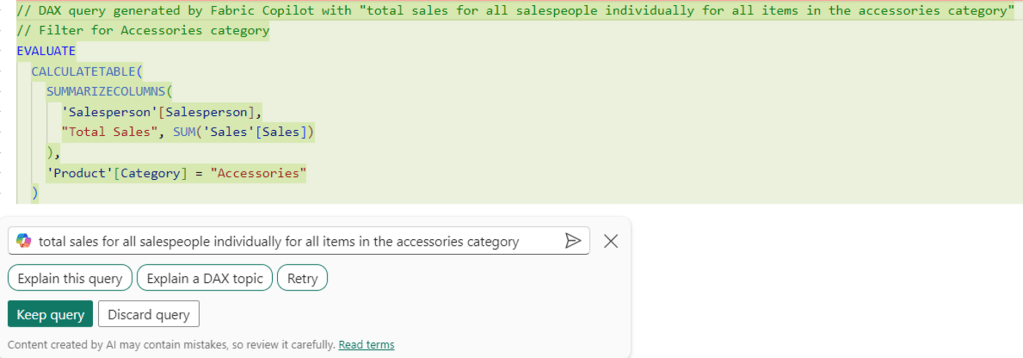
If the model includes risk measures, product relationships, payment history, sector classification, and scoring rules, Copilot can generate DAX such as:
“AdjustedRisk = BaseRisk + SectorPenalty + LatePayments * 0.3”
And explain:
“Risk increased due to exposure to the construction sector and two late payments in the last 12 months.”
This is semantic reasoning.
4. The functional consultant becomes an intelligence architect
Business example: A manufacturing company wants Copilot to identify production bottlenecks.
The functional consultant must now model:
- cycle times
- machine dependencies
- production capacity
- maintenance logic
- shift constraints
This consultant becomes an intelligence architect, defining how Copilot interprets operations.
Copilot doesn’t replace the functional role. Copilot elevates it.
5. The future of BI is not visual — it’s cognitive
Business example: An insurance company wants Copilot to explain why premium vehicle claims increased.
If the model includes risk zones, weather, vehicle type, driver history, traffic density, and policy rules, Copilot can reason:
“The increase is concentrated in high‑congestion zones during rainy days, especially for vehicles older than five years.”
This is contextual reasoning, not reporting.
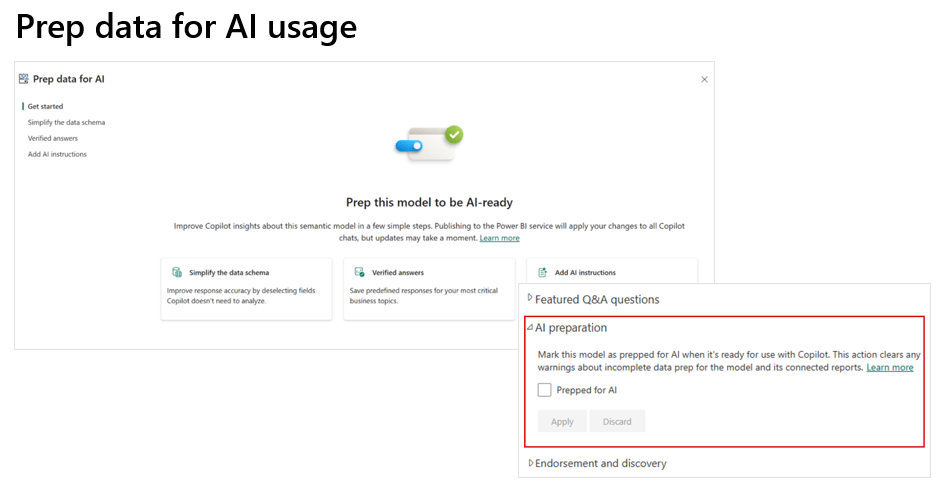
To conclude
Copilot doesn’t make Power BI smarter. Copilot makes your semantic model visible.
And that forces teams to build models that don’t just represent data… but reason through the business.
This is the real generational shift in enterprise analytics.

Deja una respuesta