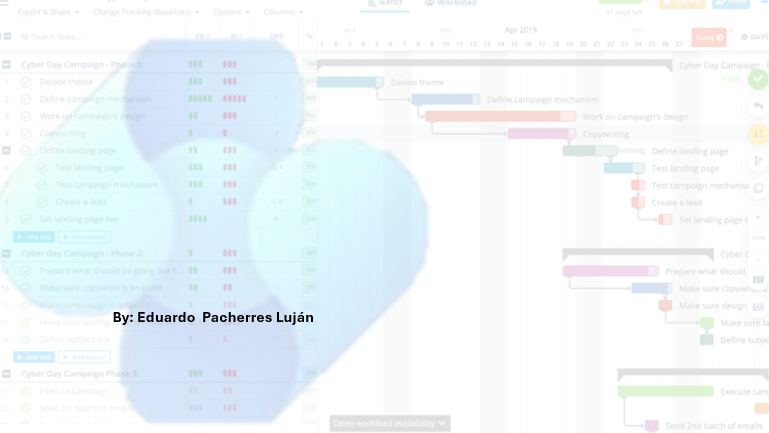
Buffers and Their Cost Impact
Every buffer added to a project — whether extra days in testing or weeks before go‑live — translates into additional costs: consultant hours, extended licences, or supplier fees. The challenge is not the buffer itself, but failing to measure its financial impact.
- Phase buffers: e.g., «Y» extra days in user testing → 24 consulting hours → «€ X,XXX».
- Global buffer before go‑live: e.g., «Y» weeks → tens of thousands in external services.
Smart risk management means treating buffers as controlled investments, not hidden overspend.
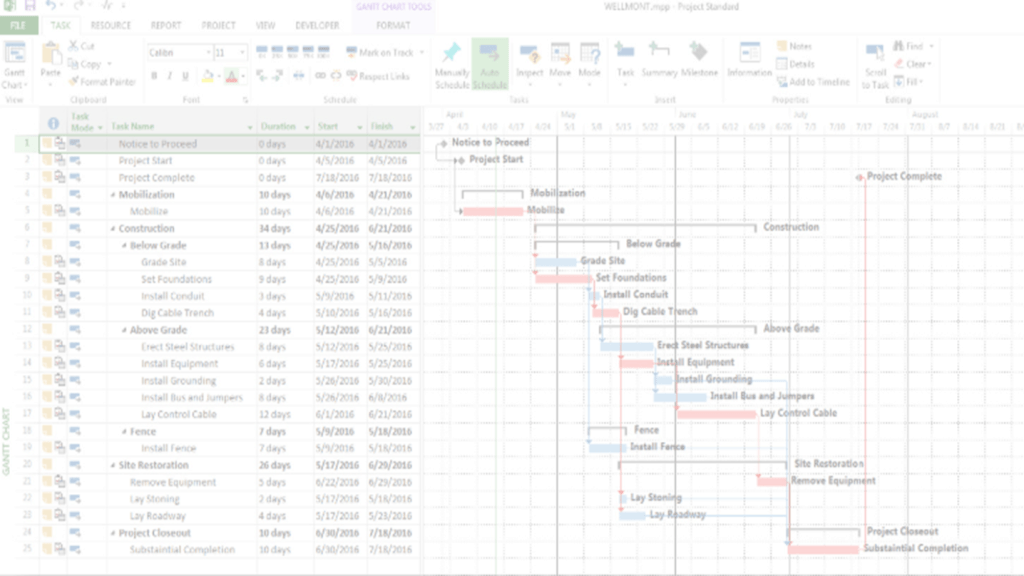
Minimising Buffer Costs
- Proportional buffers – Add cushions only in critical phases (analysis, testing, migration).
- Documented investment – Record the cost of each buffer to justify its preventive value.
- Dynamic adjustment – Reduce or reallocate buffers if earlier phases close without issues.
- Scenario modelling – Use Business Central budget scenarios to compare costs with and without buffers.
Risk Management Practices
- Formal risk register with financial impact.
- Scenario simulation with Power BI to visualise budget variations.
- Supplier contract management to absorb buffers without extra billing.
- Transparent communication with finance leadership to present buffers as mitigation, not overspend.
To conclude:
Buffers are necessary, but they must be managed with financial vision. In ERP projects, every extra day has a cost. By minimising their impact through proportional planning, scenario simulation, and transparent reporting, buffers evolve from hidden expenses into strategic investments that safeguard project success.

Deja un comentario